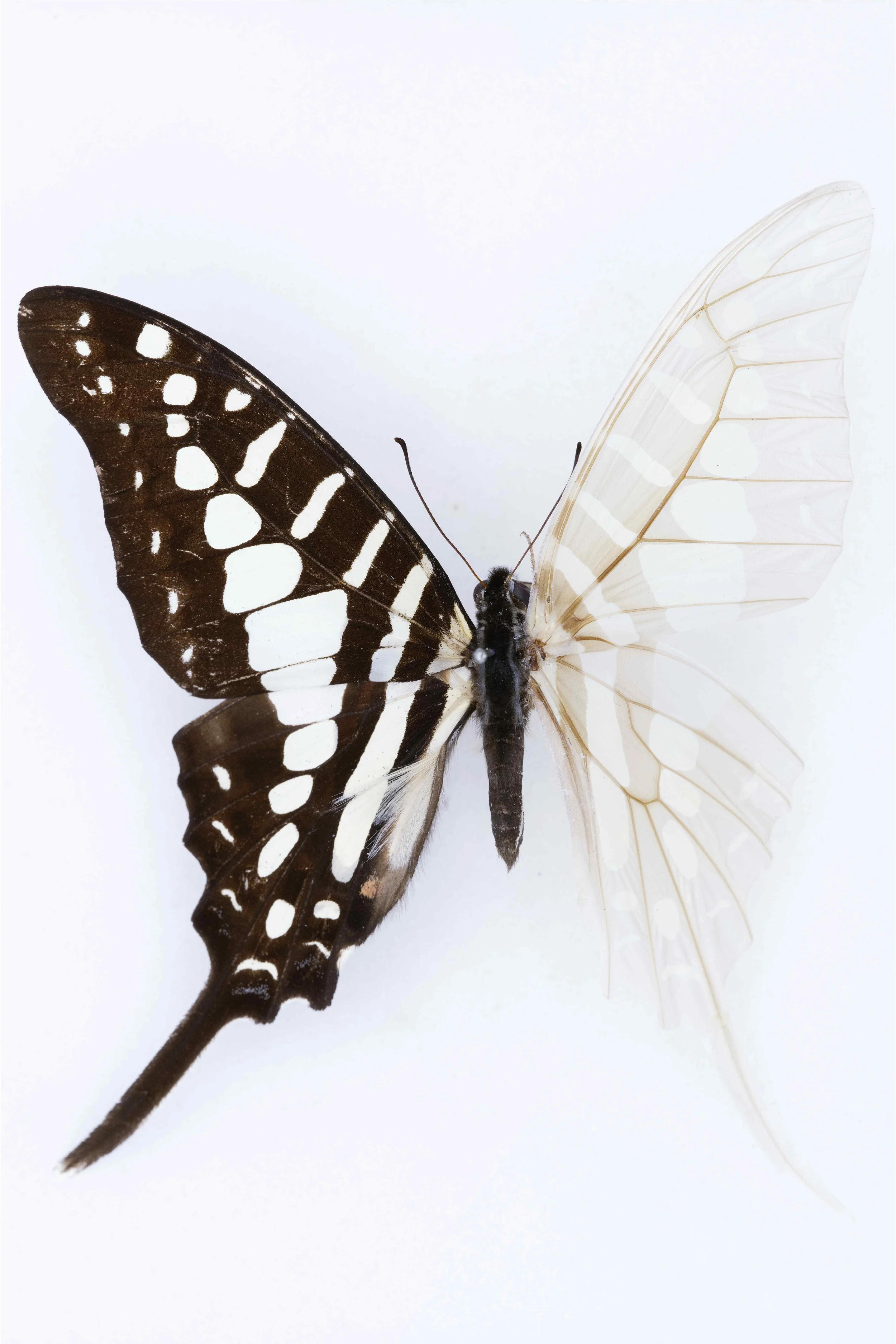
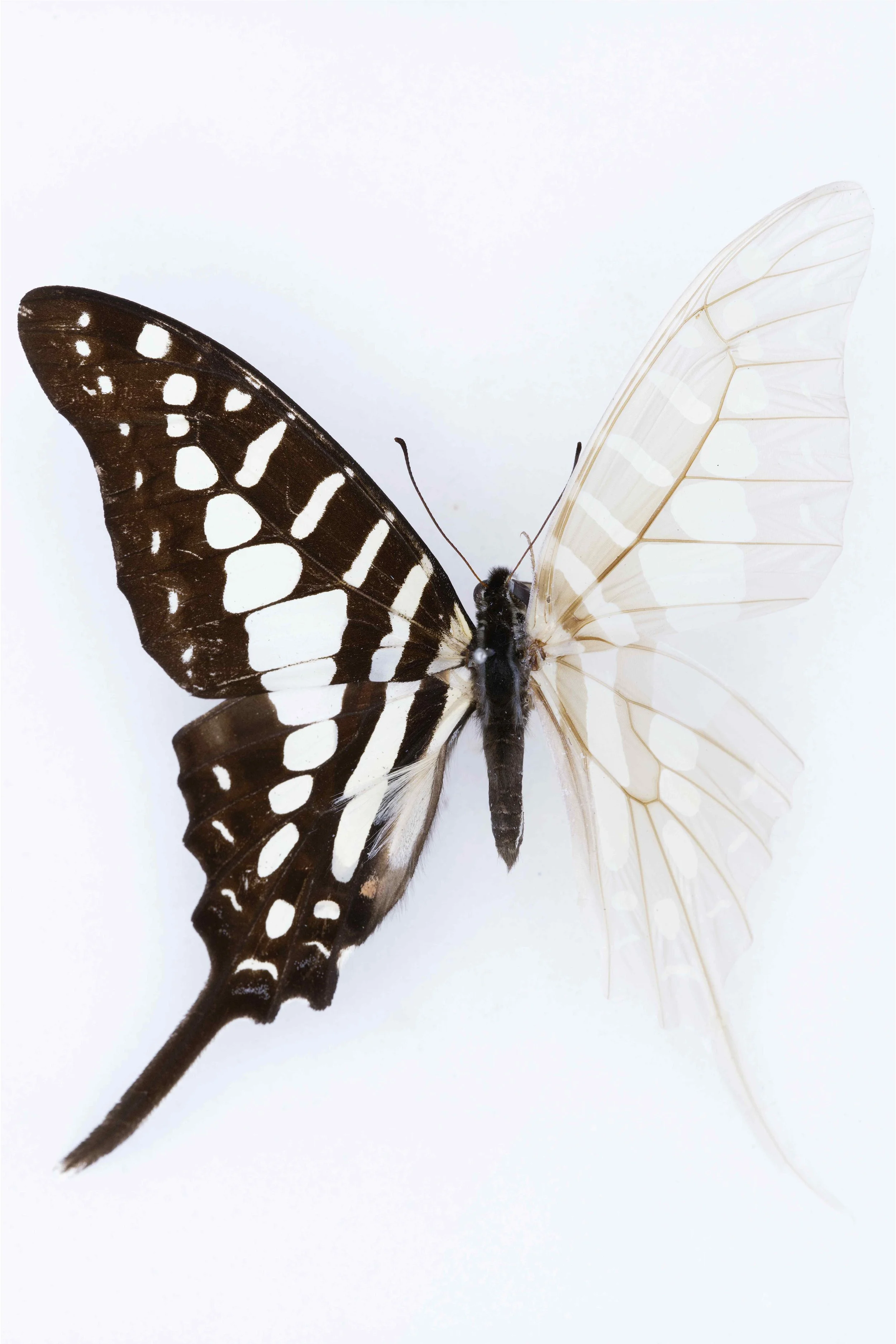
Hypertier
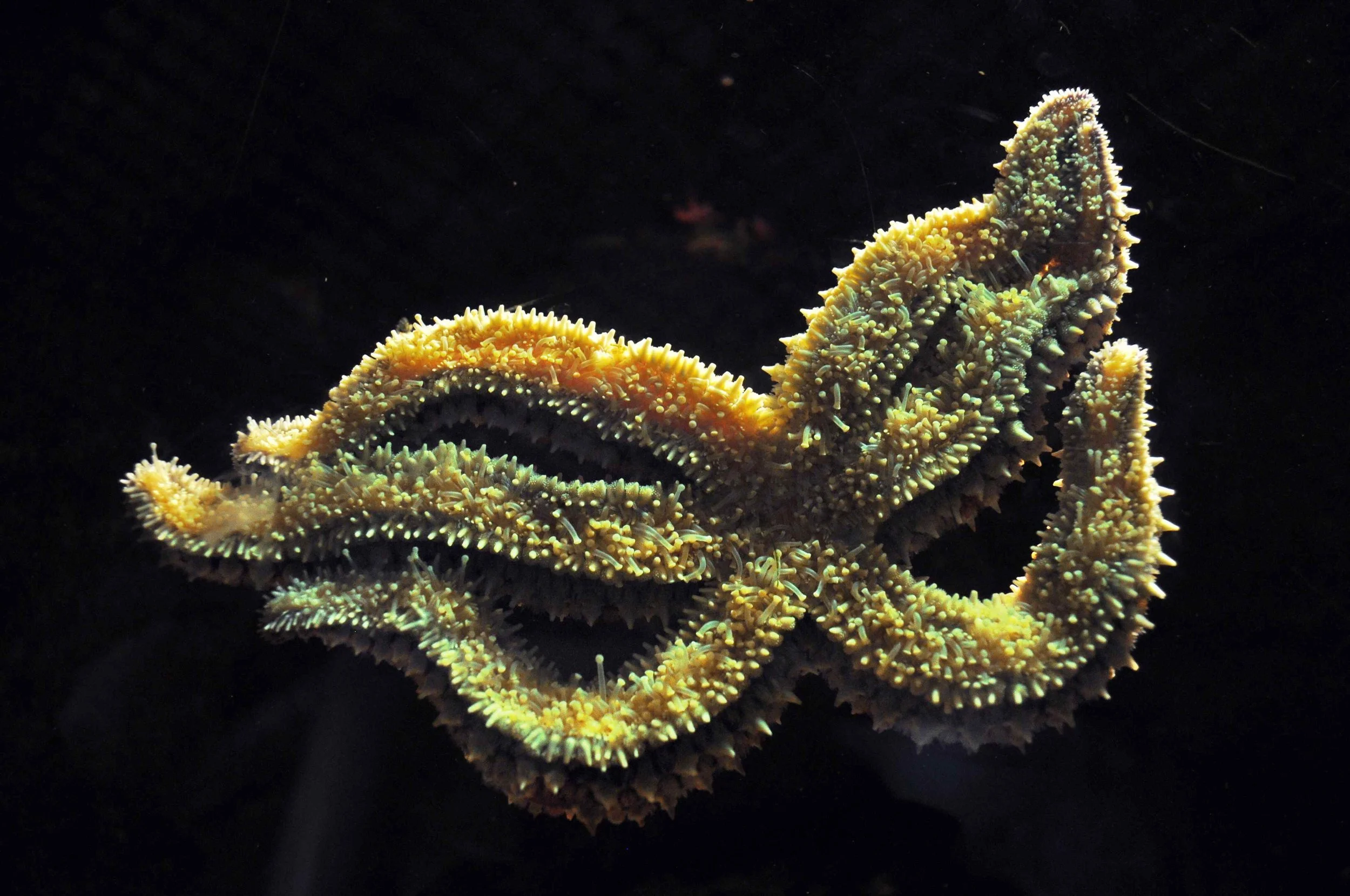
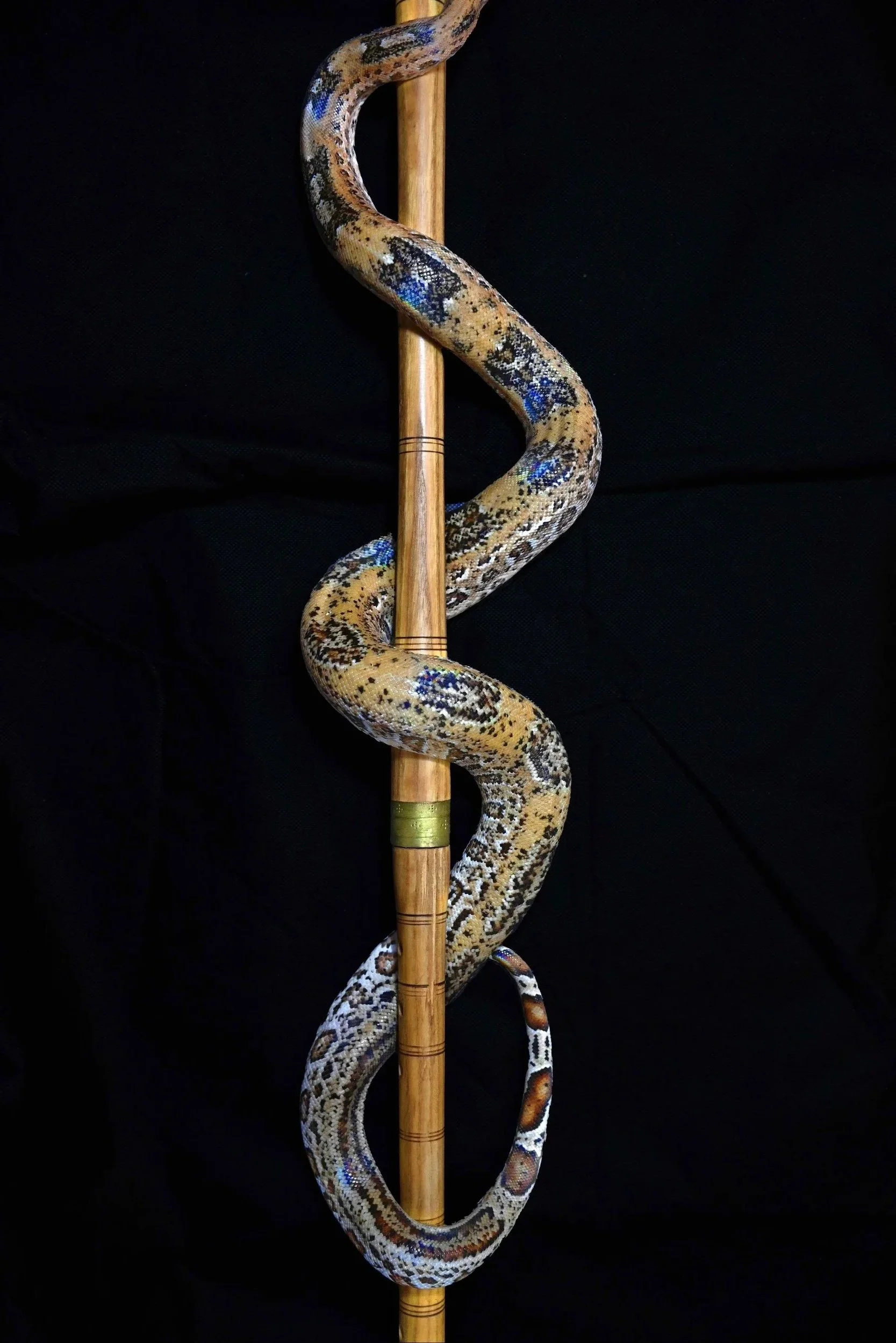
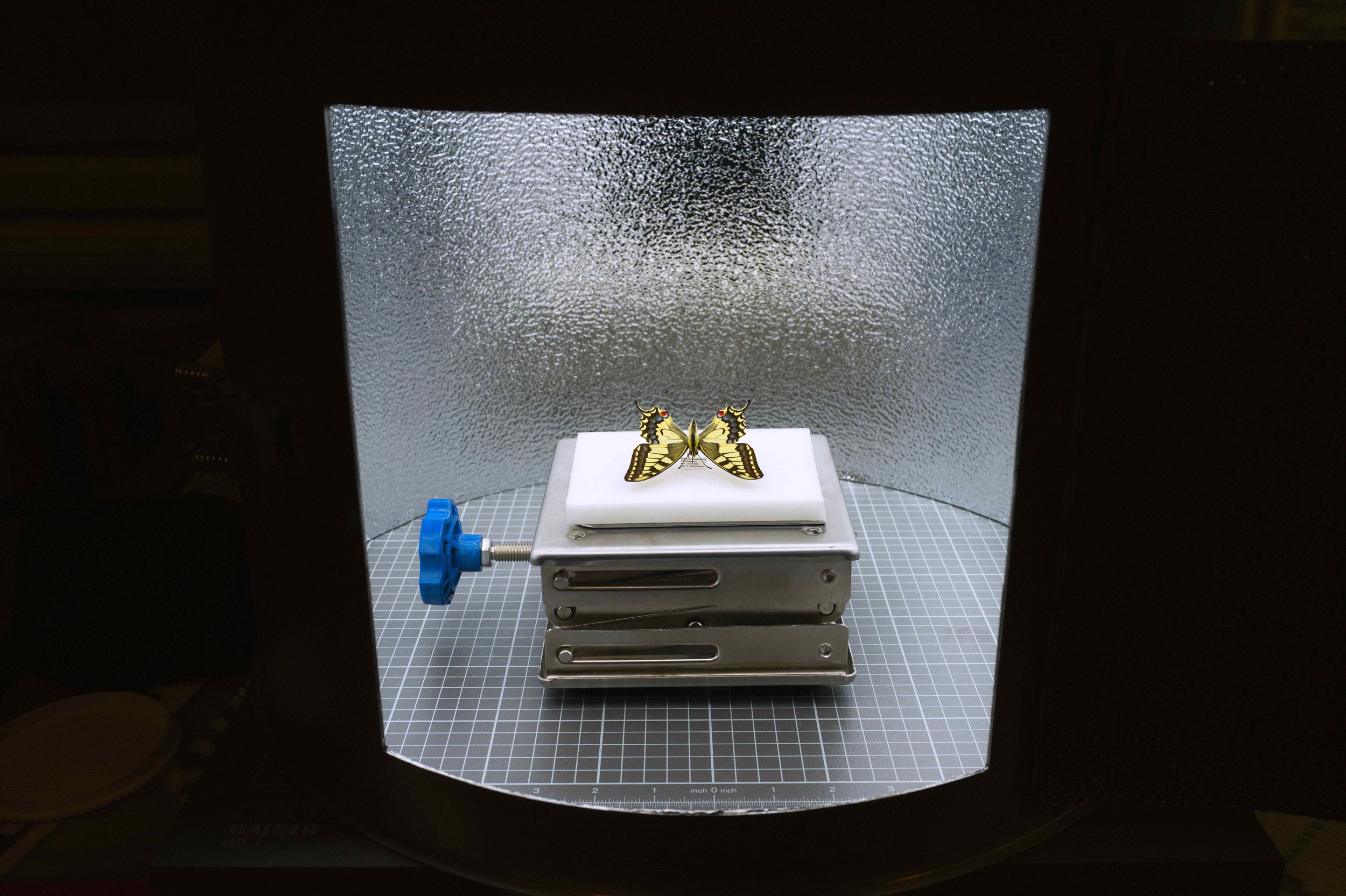
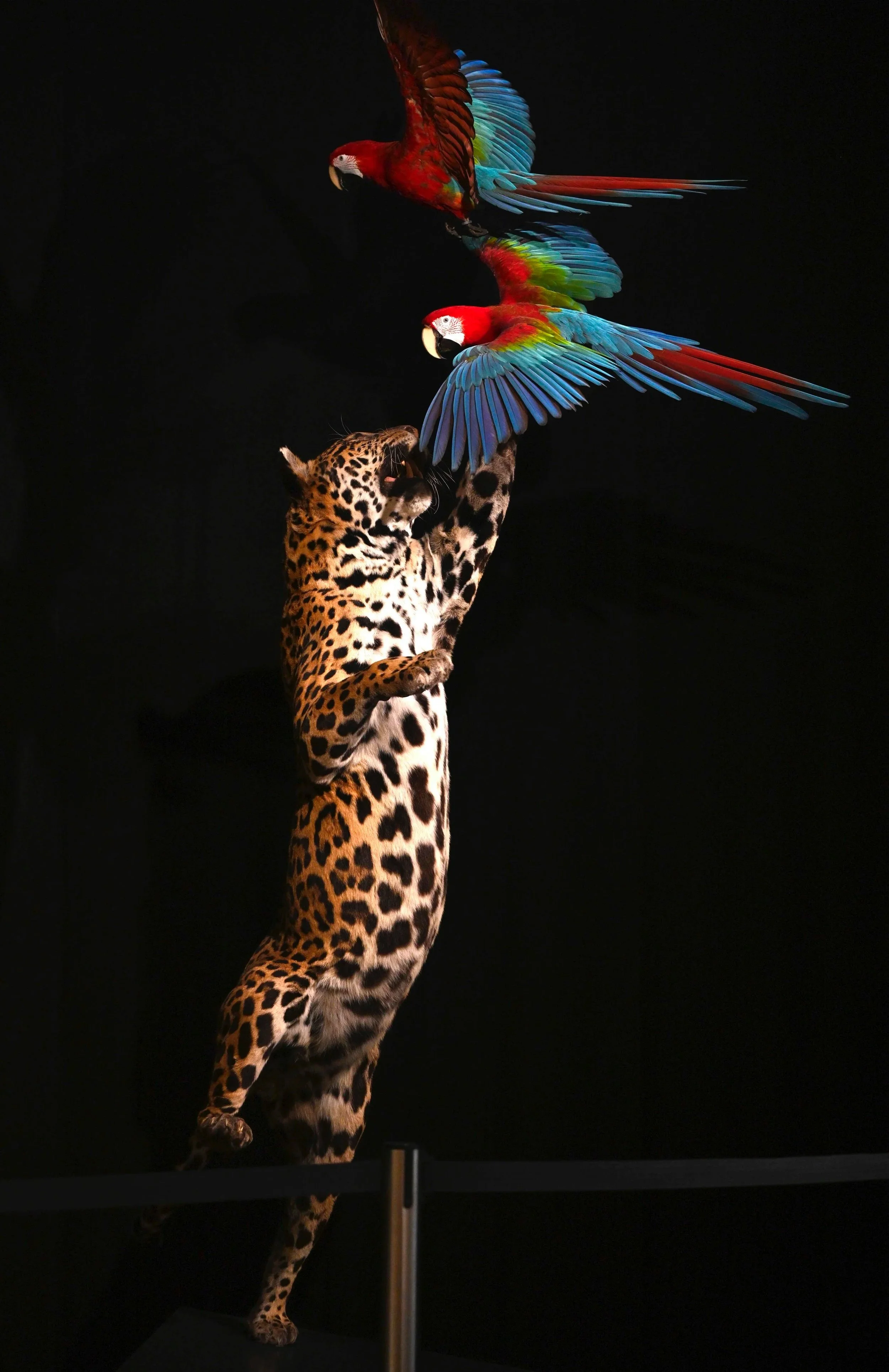
Hypertier is a fine-art conceptual documentary series exploring the fragile and paradoxical forms of
human-animal coexistence across a dispersed archipelago of interdependent environments.
Traversing natural history museums, aquariums, landfills, private homes, and scientific facilities across
Europe and Africa, the images form a fragmented record of encounters ranging from the intimate to
the exploitative, the sacred to the absurd.
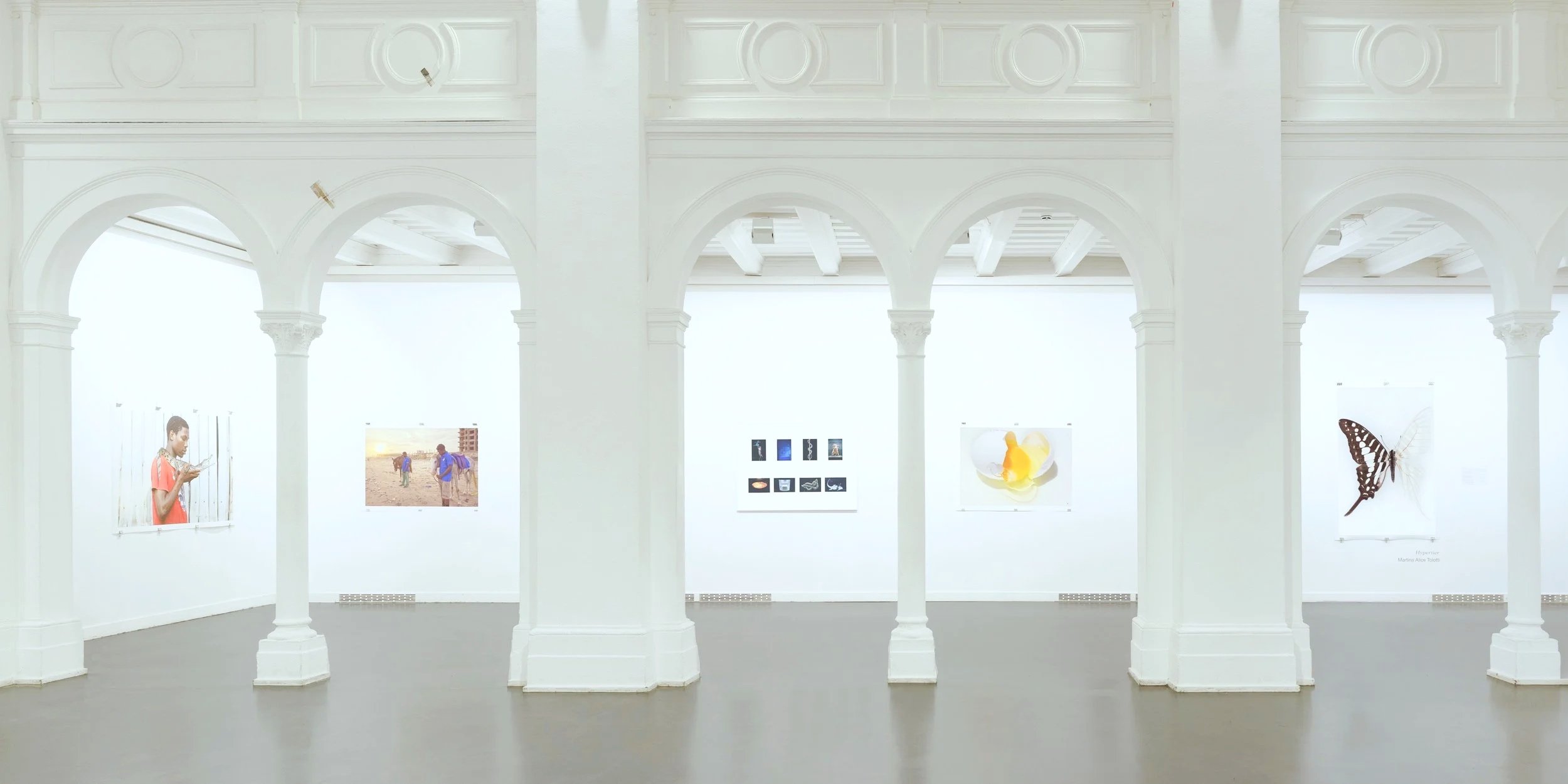

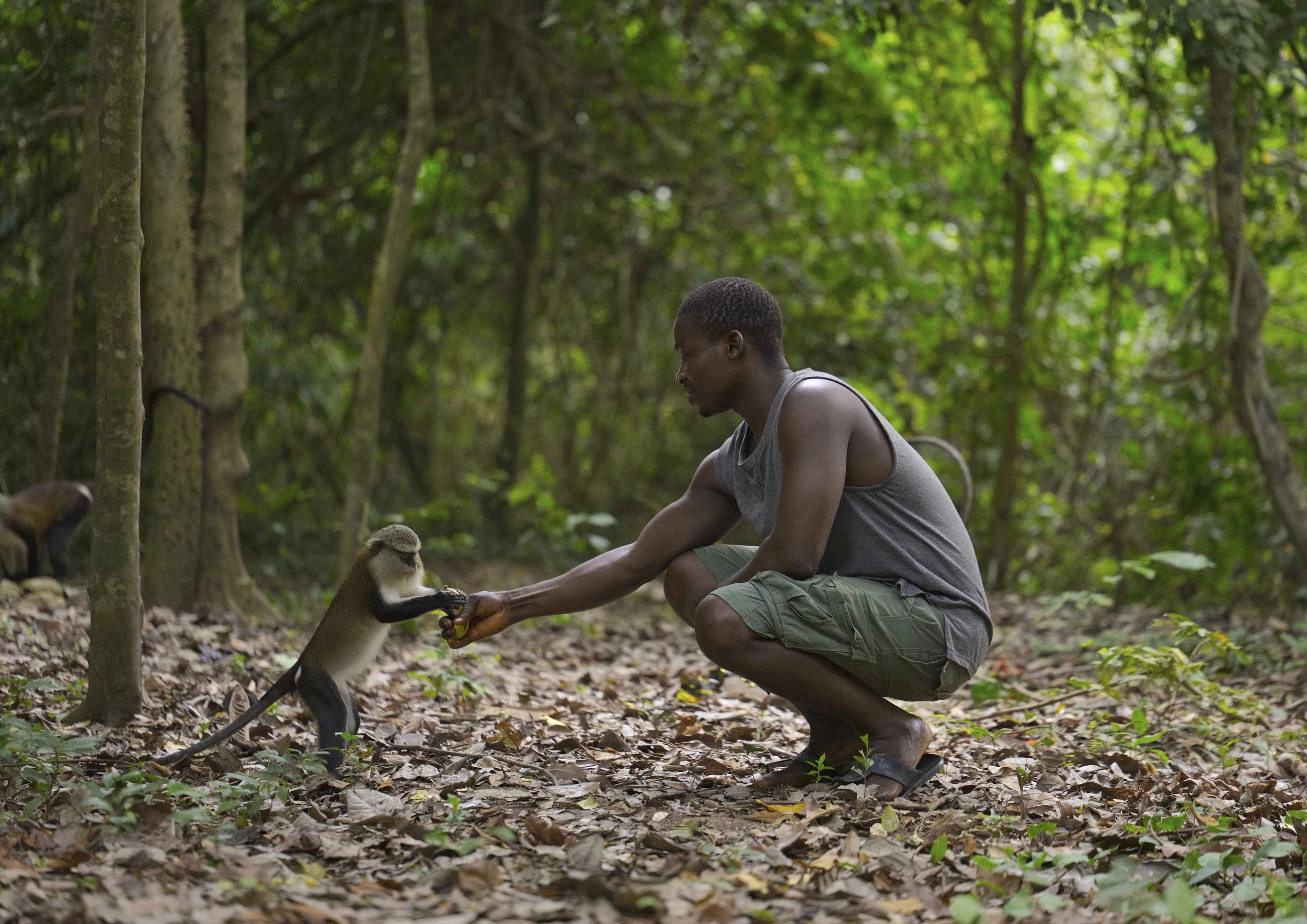
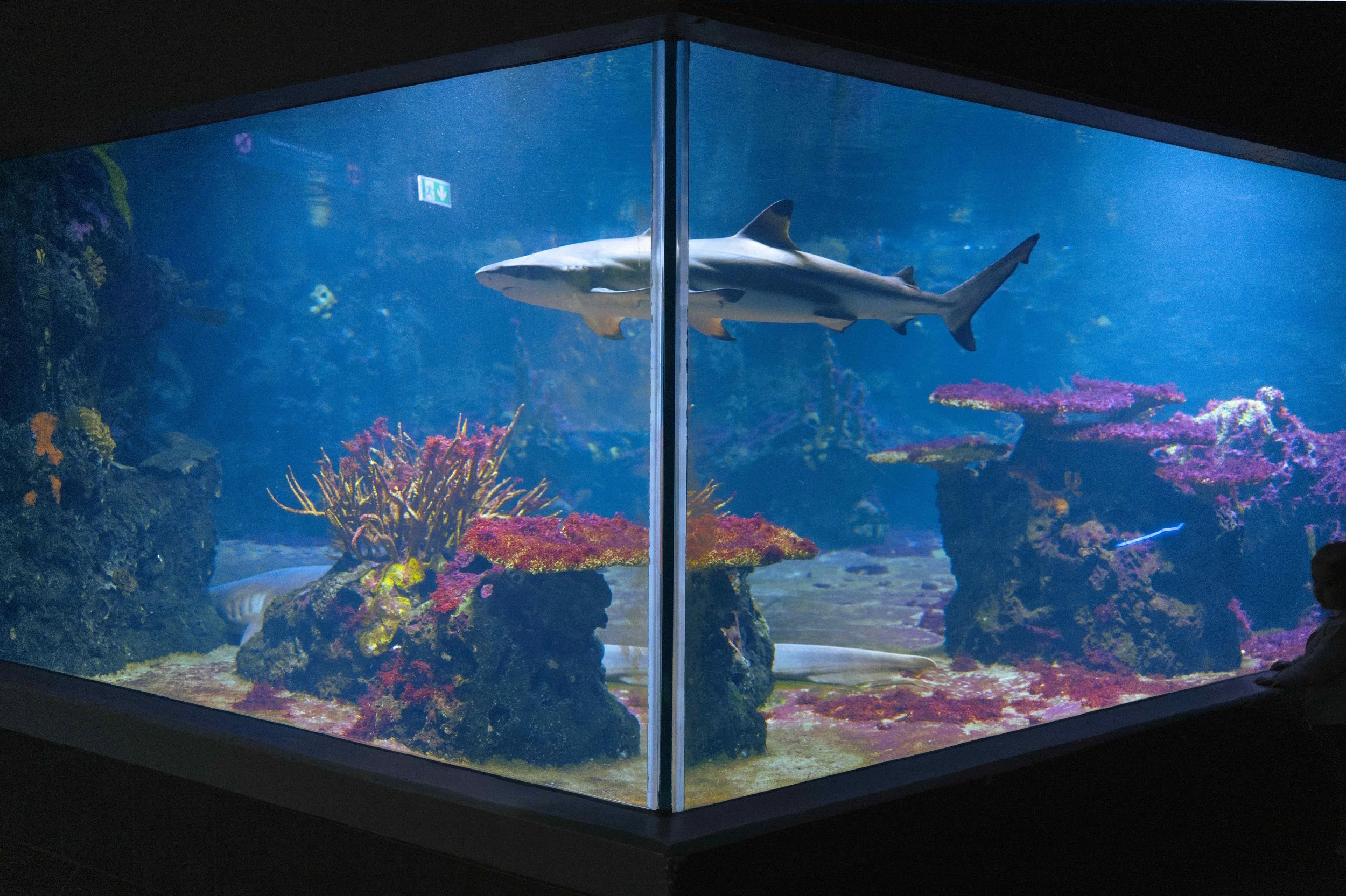
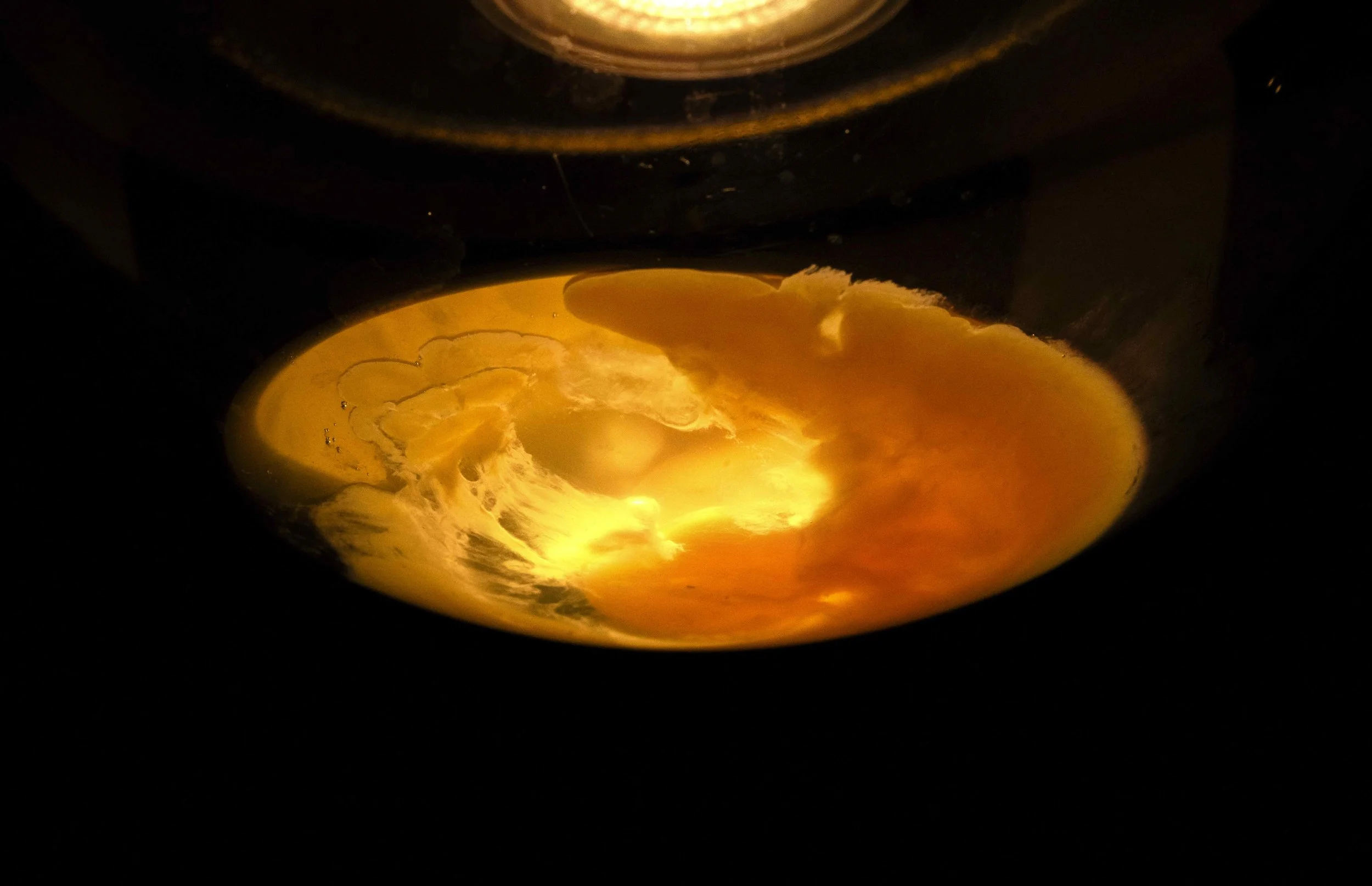
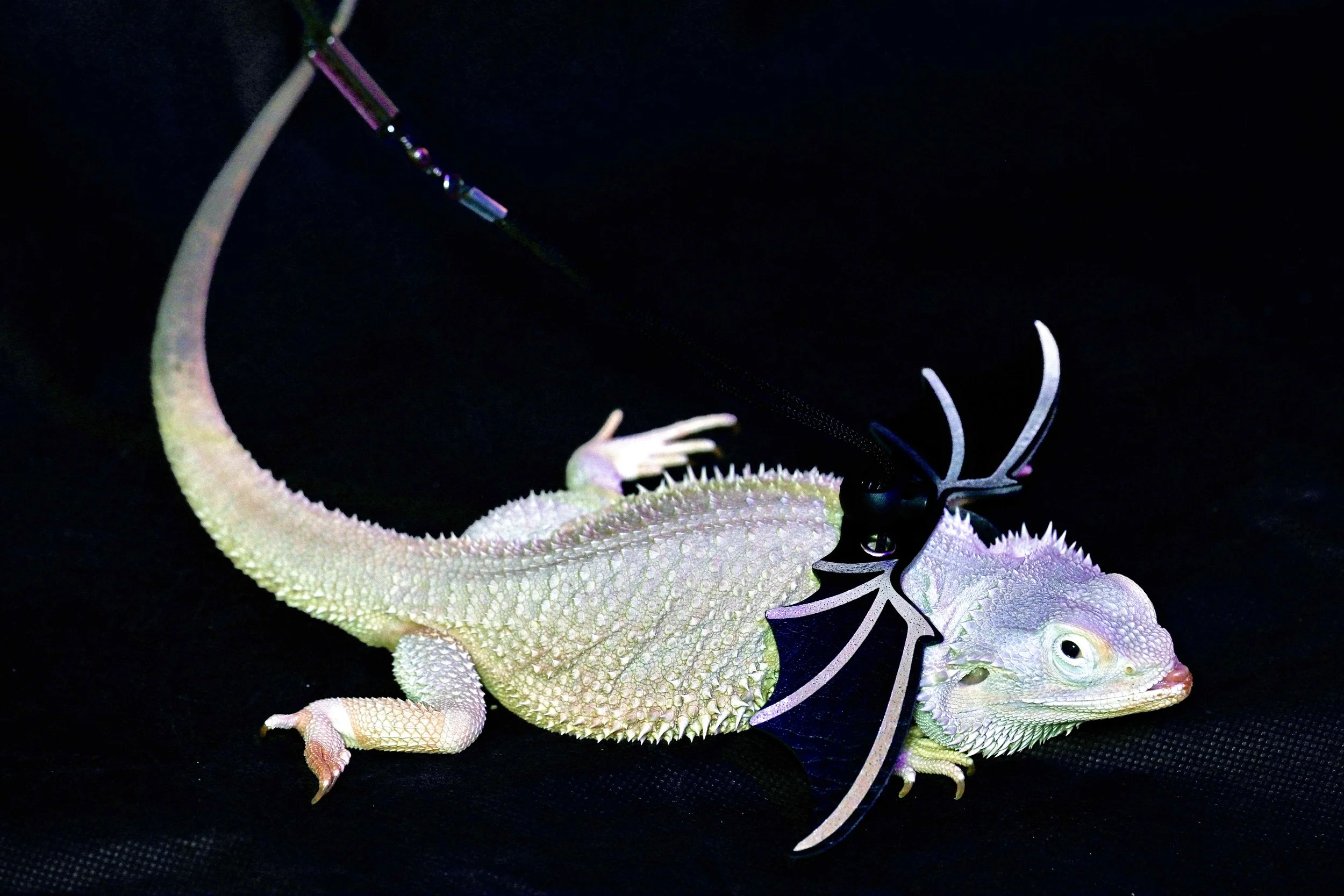

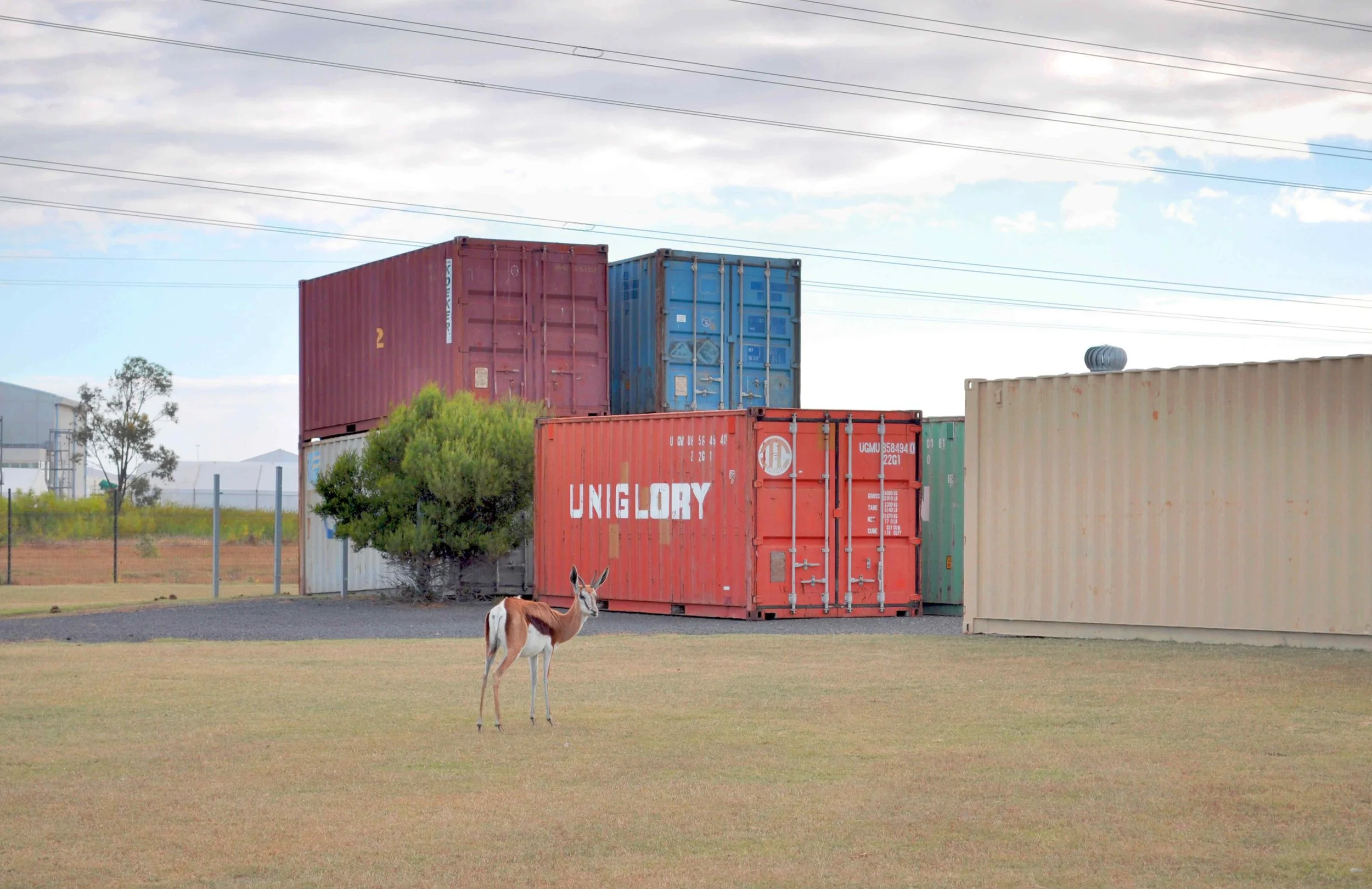
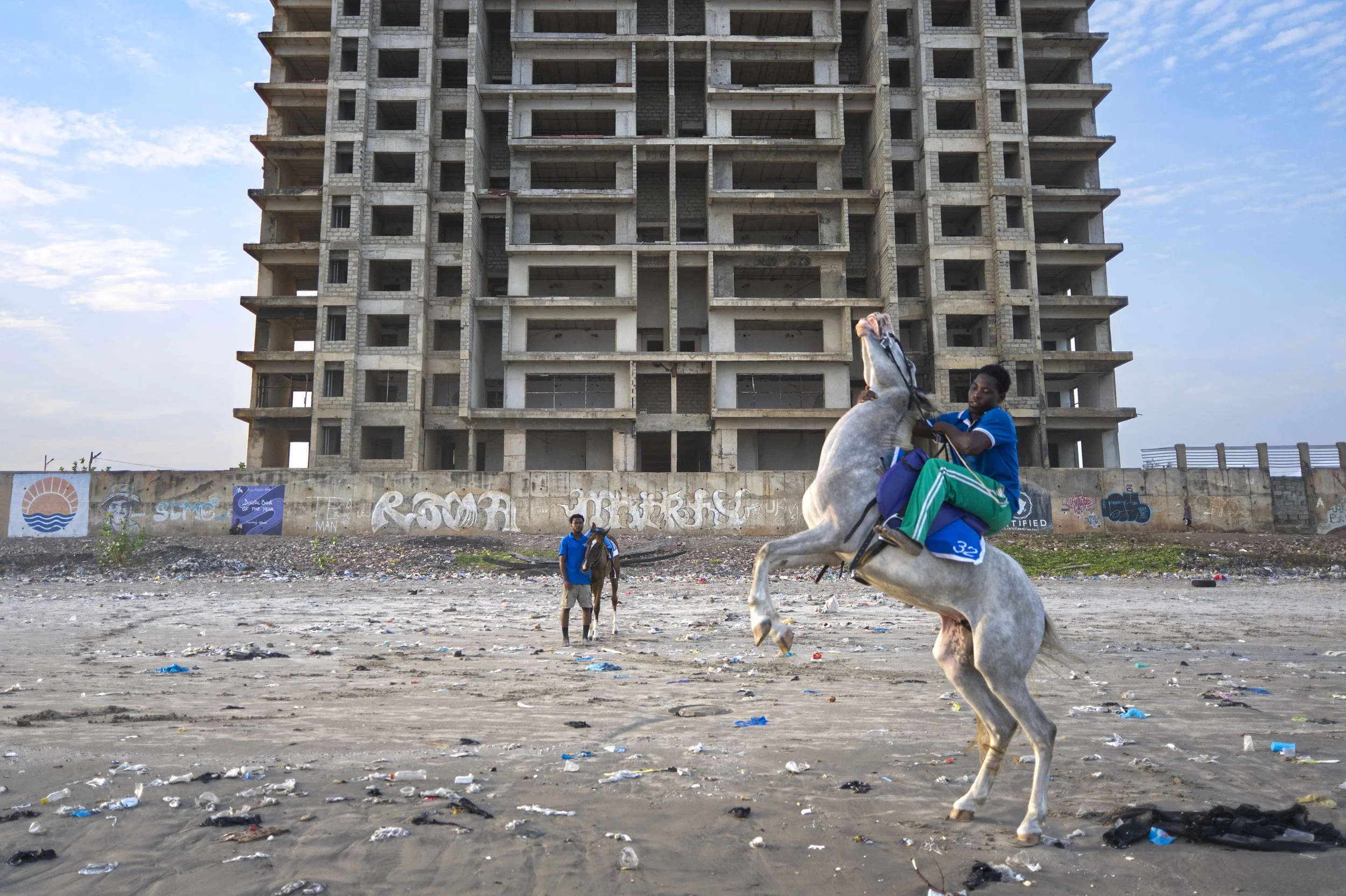
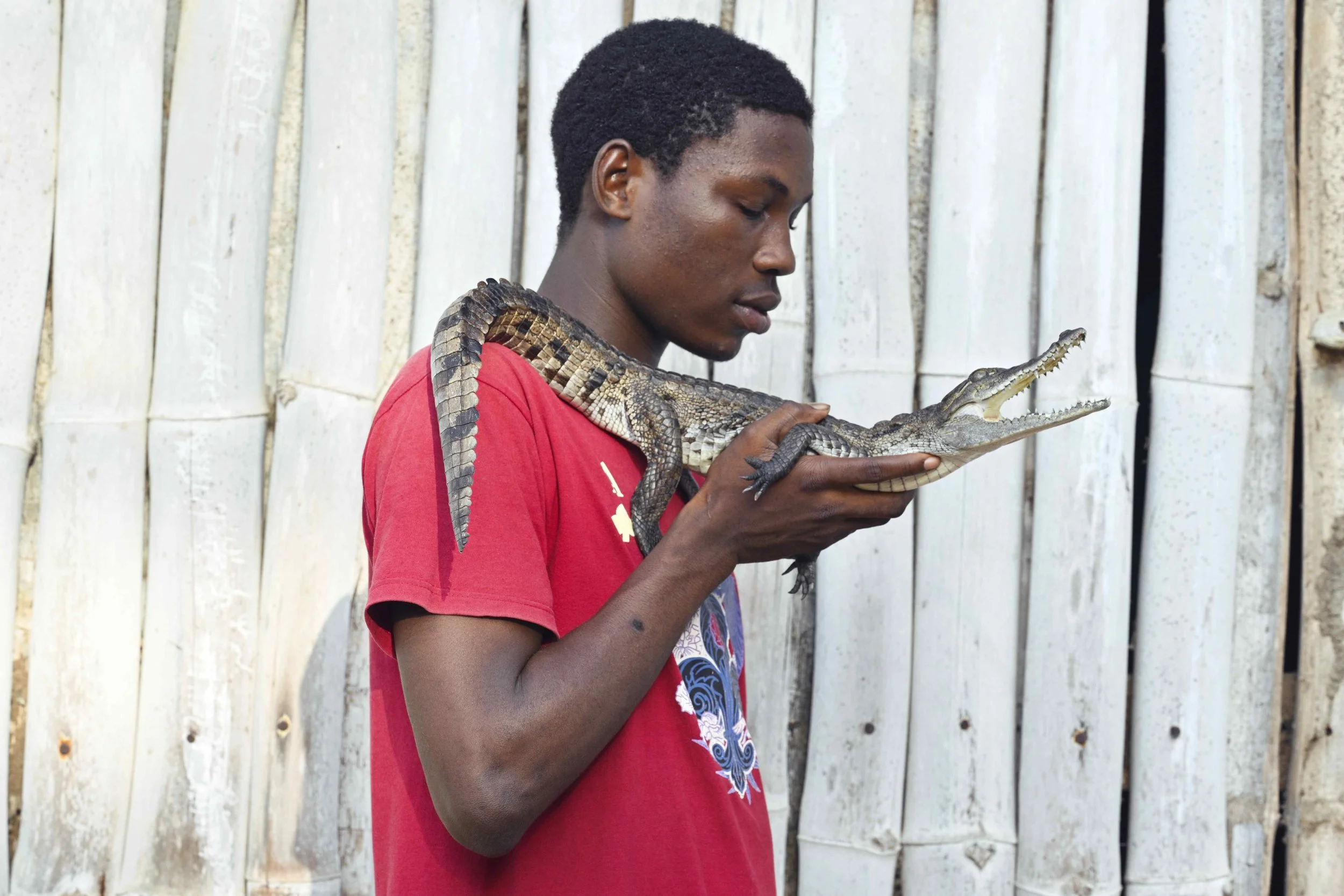
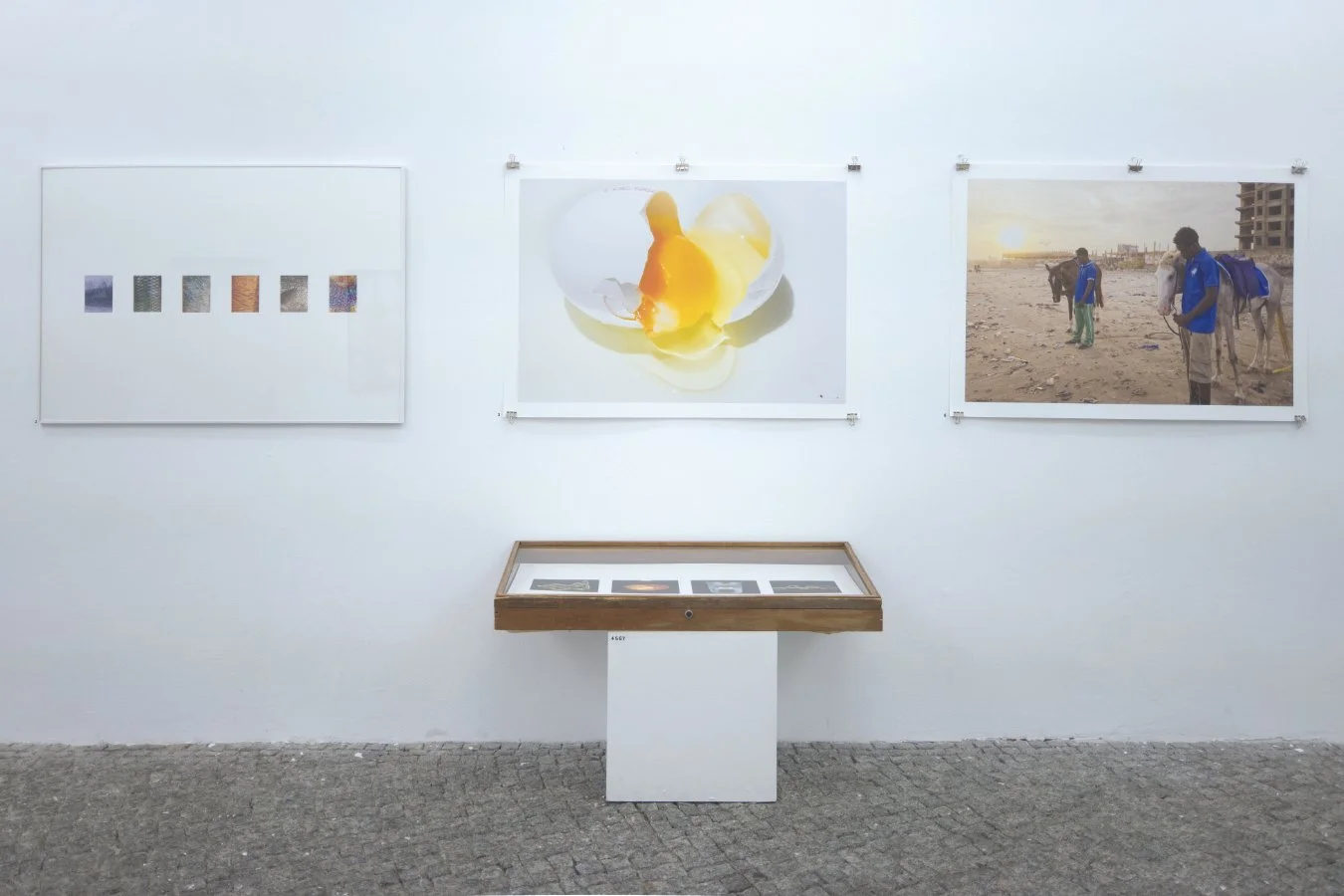
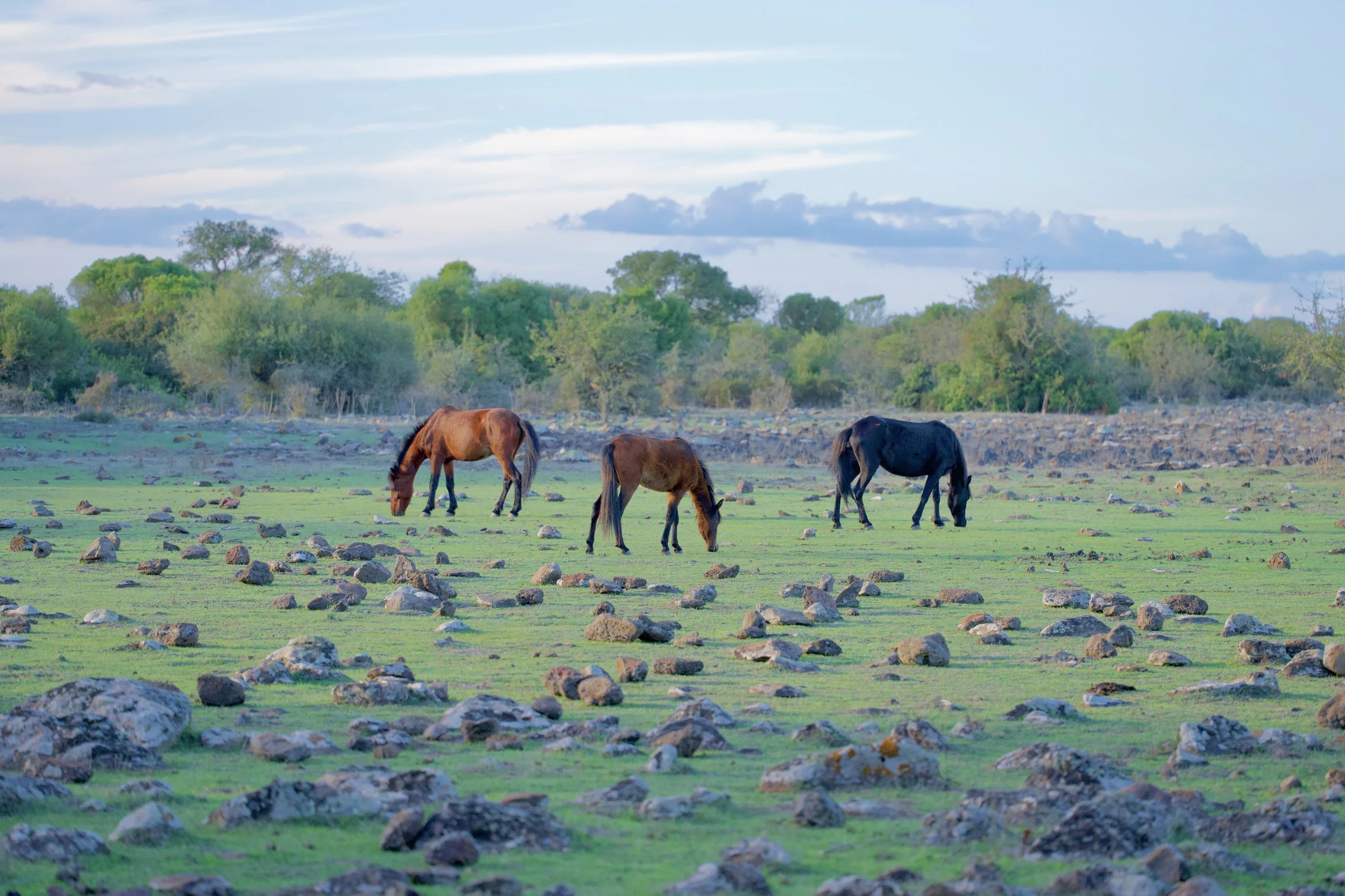
Influenced by Andrea Branzi’s “The Primitive Metropolis”, the work embraces the contemporary city
as a hybrid space where remnants of nature seep through infrastructures of control. Animals appear
not in untouched wilderness but in compromised, human-modified contexts: exotic pets in sterile
apartments, endangered species at scientific installations, or taxidermied bodies trapped in glass
vitrines. Yet, this exploration also evokes historical archetypes, such as the ancient relationship
between the falconer and the hawk or the hypnotic sway of the snake charmer, symbols of a long
history of human control over, and communion with, the animal world, where creatures are revered,
feared, or managed for ritual and spectacle.
In a present marked by ecological crisis, care and veneration operate on the same plane as
control and extraction. In these hyper-constructed spaces, protection and confinement become
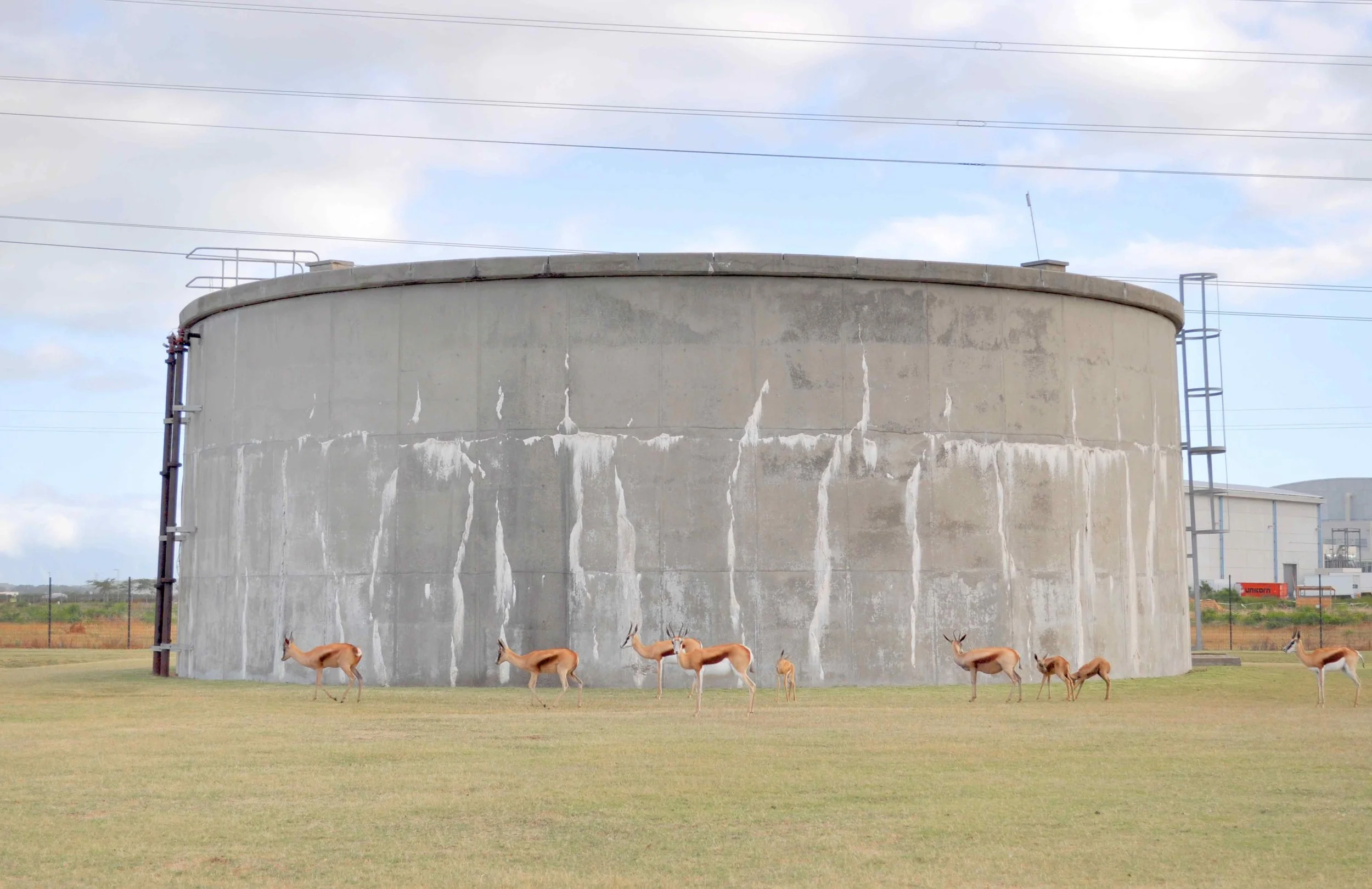
indistinguishable. Private reserves and safari parks have become fenced fortresses to protect rhinos
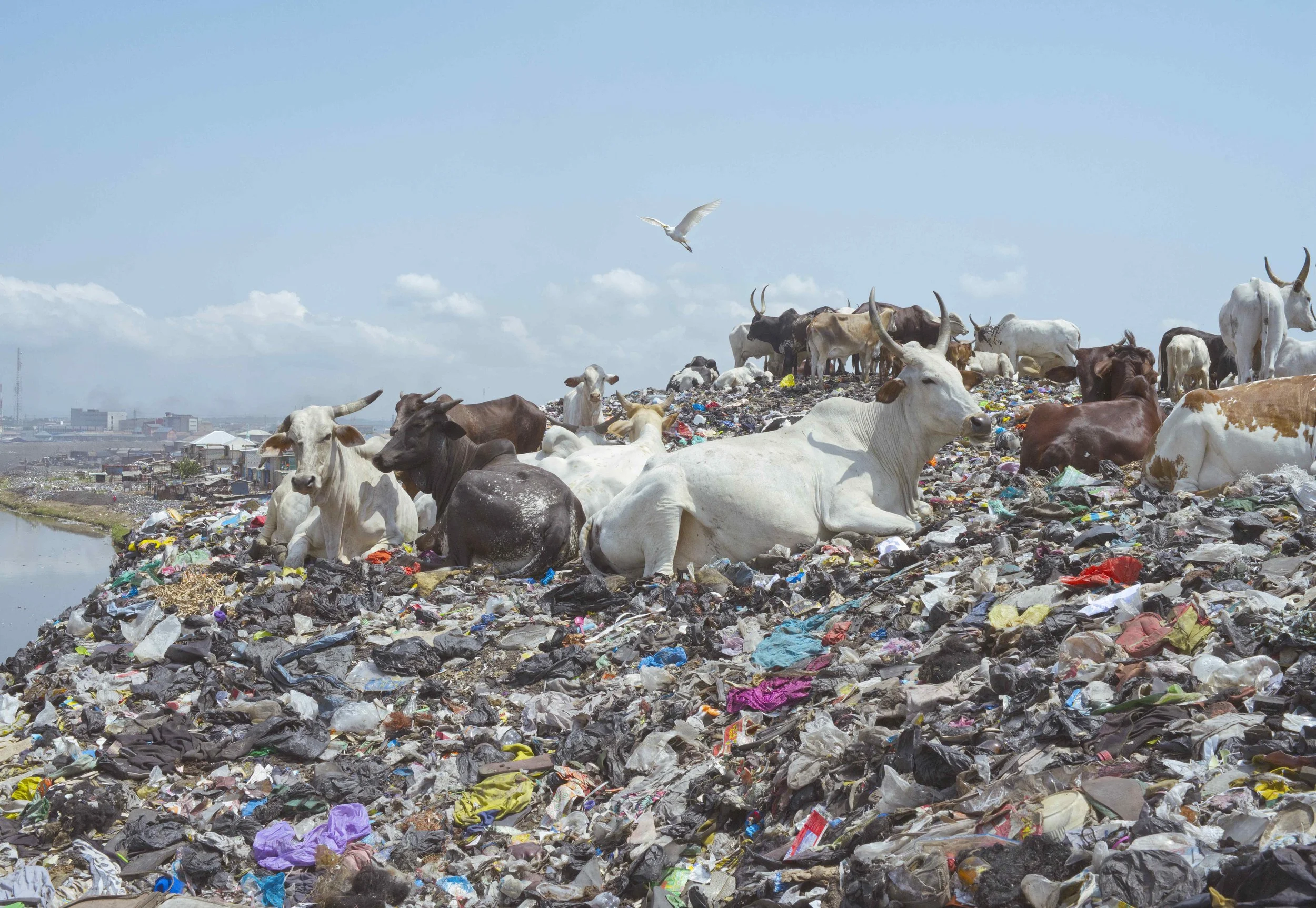
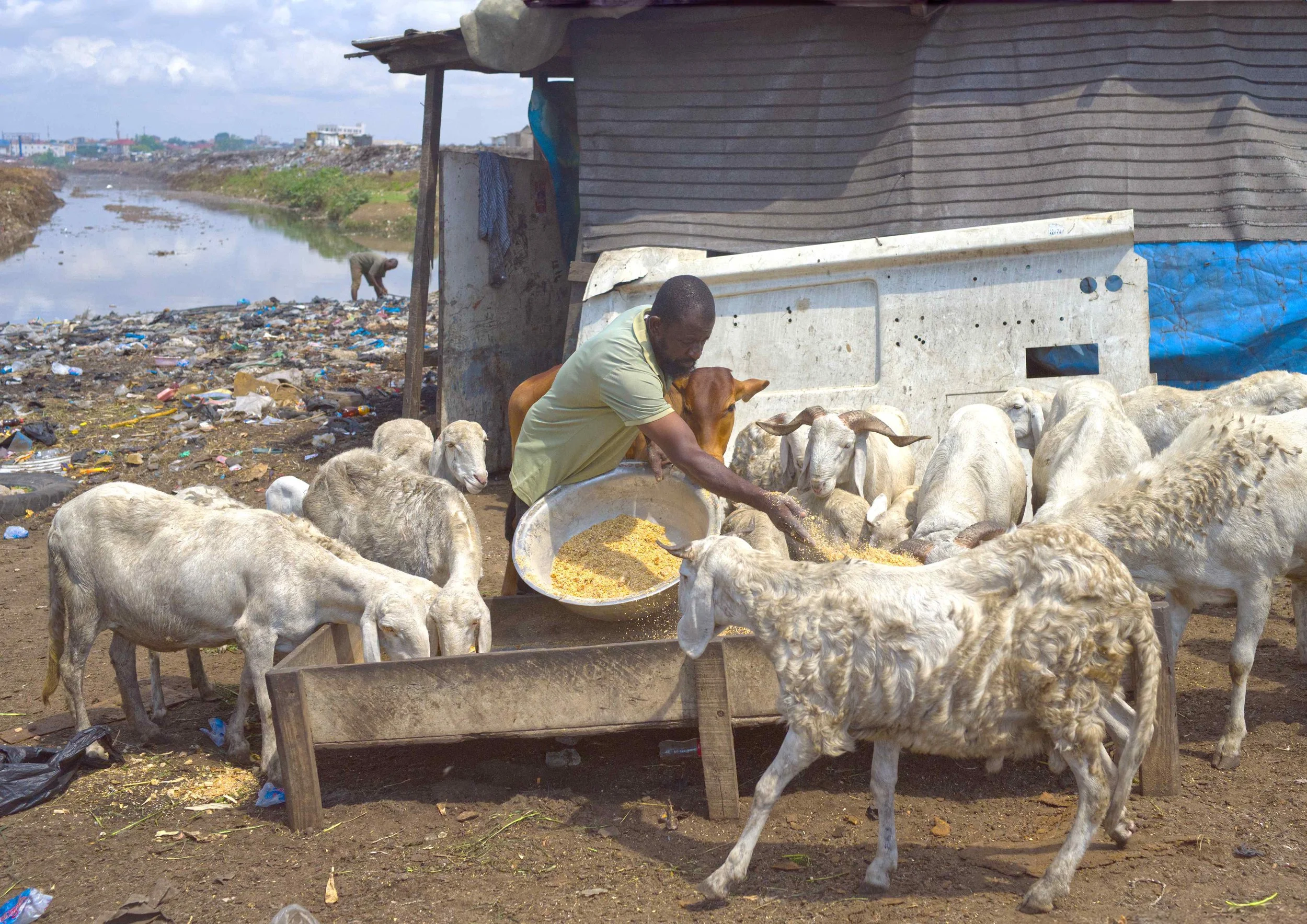
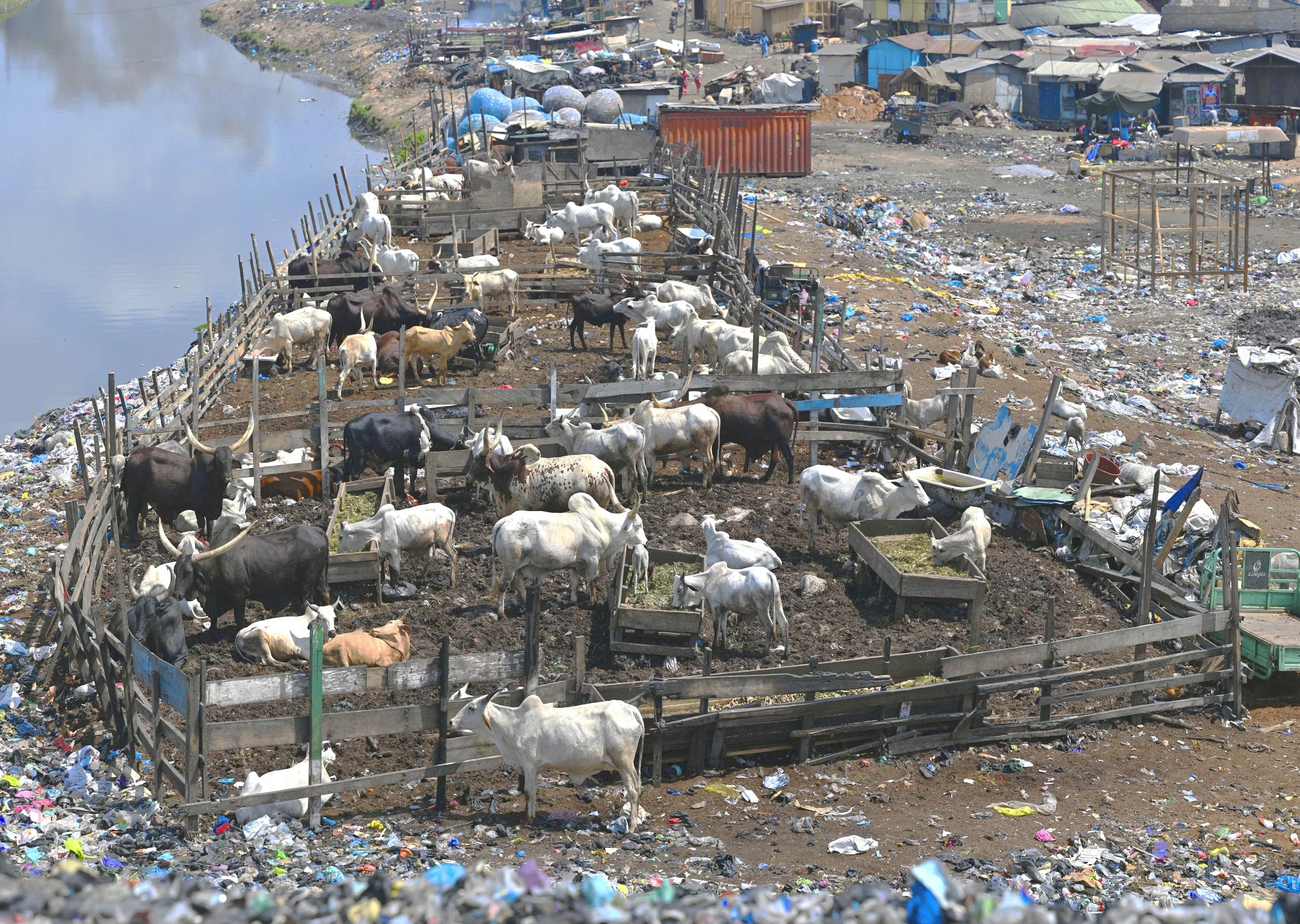
and elephants from poachers descending in helicopters. On massive recycling landfills, humans strive
to provide animals with the best life possible within putrid environments, shooing cattle to the top
of trash mountains so they can breathe fresher air and sweeping their pathways cleaner than their
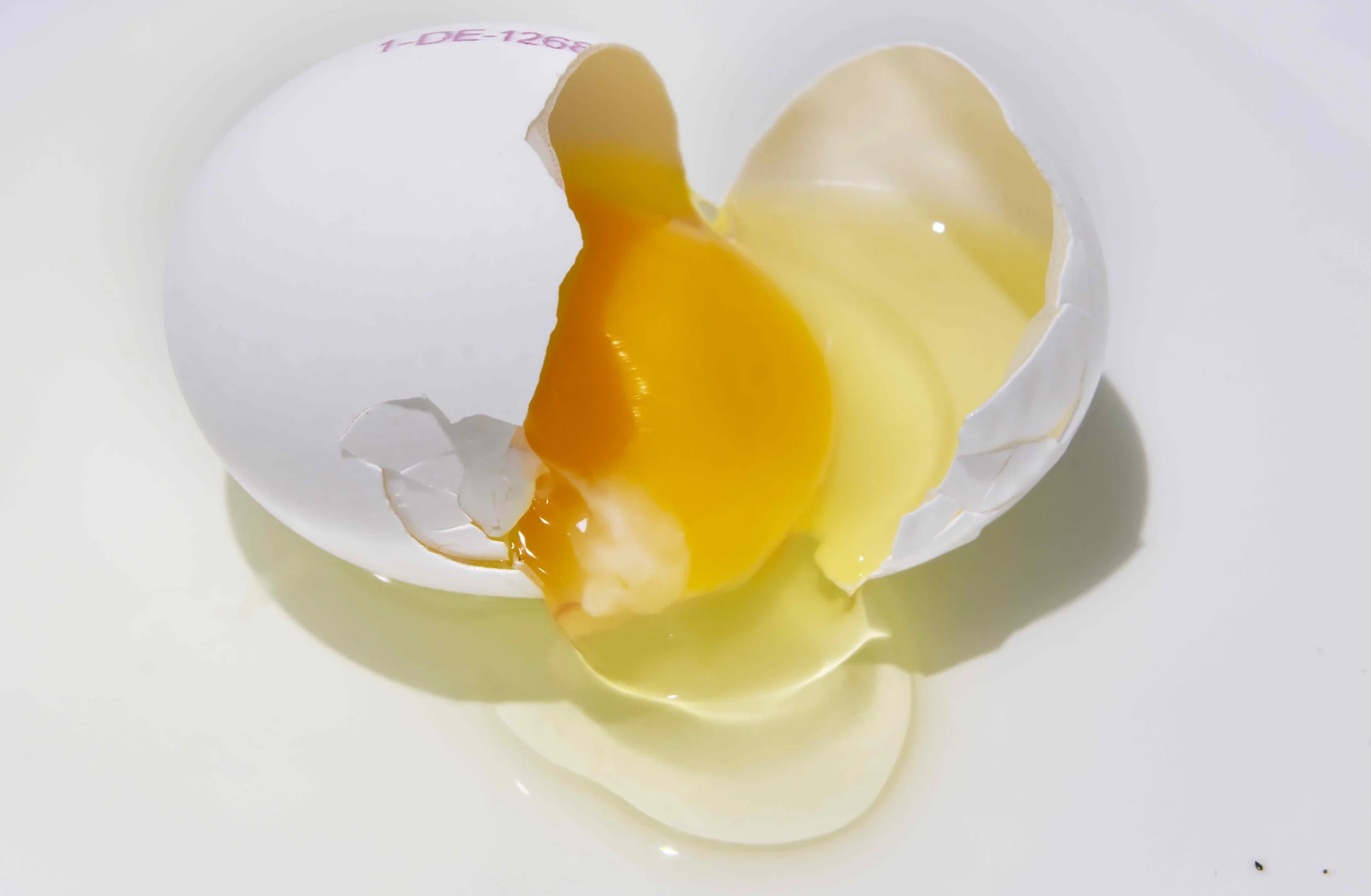
own patios. While massive egg factories operate relentlessly to satisfy human demand, microscopic
plankton in the oceans break down plastics into lethal fragments, ingesting them only to starve
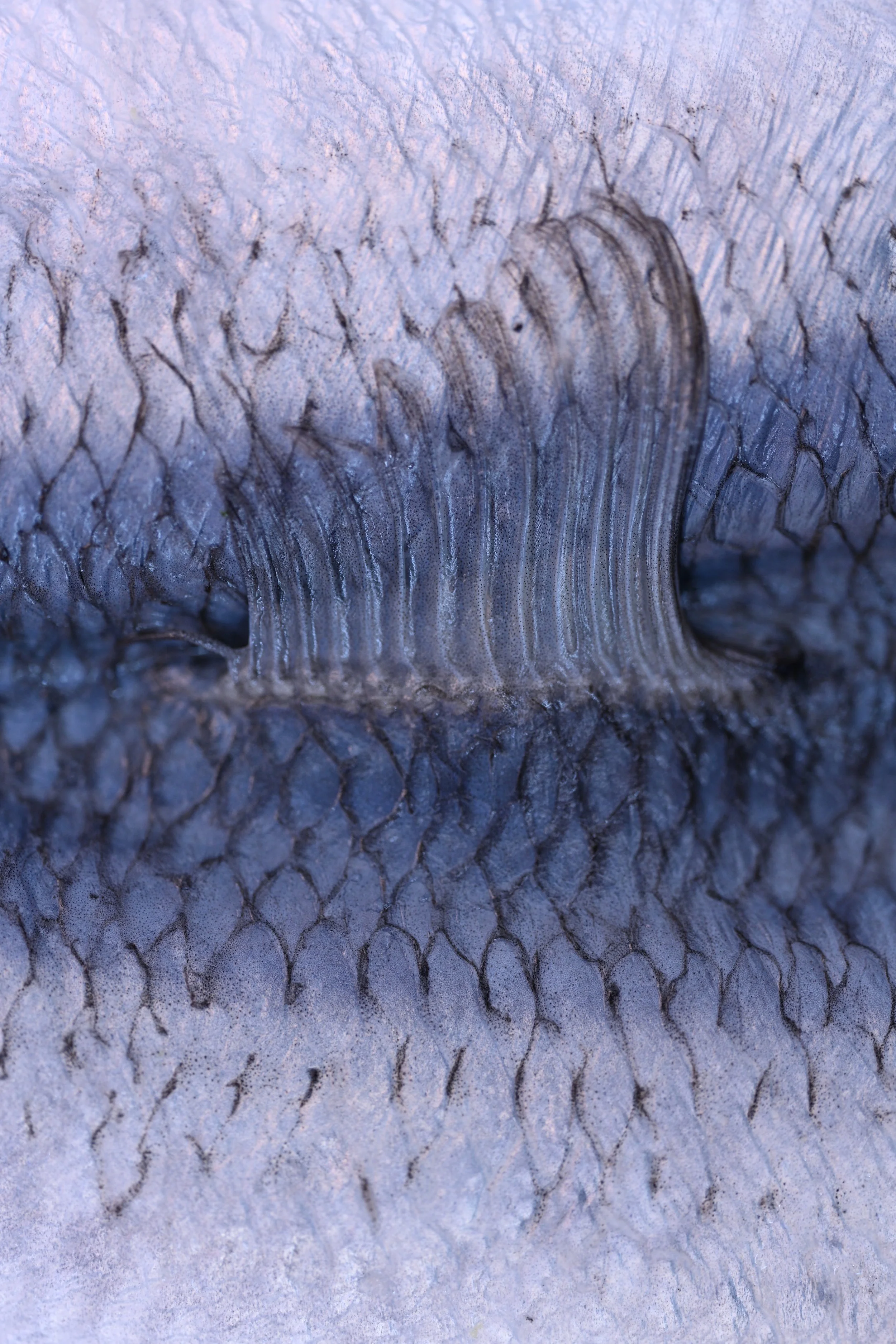
without caloric intake, passing toxins up the marine food chain and turning "plastic-free" fish into
rare, living jewels.
The work also exposes the brutal economics of modern wildlife: the rapidly dwindling global lion
population turned into priced targets for trophy hunters, and the illicit trade driving the pangolin
toward extinction. Aquariums and museums operate on this same edge, as elaborate theaters of
containment, offering the illusion of proximity while maintaining absolute control. This historical echo
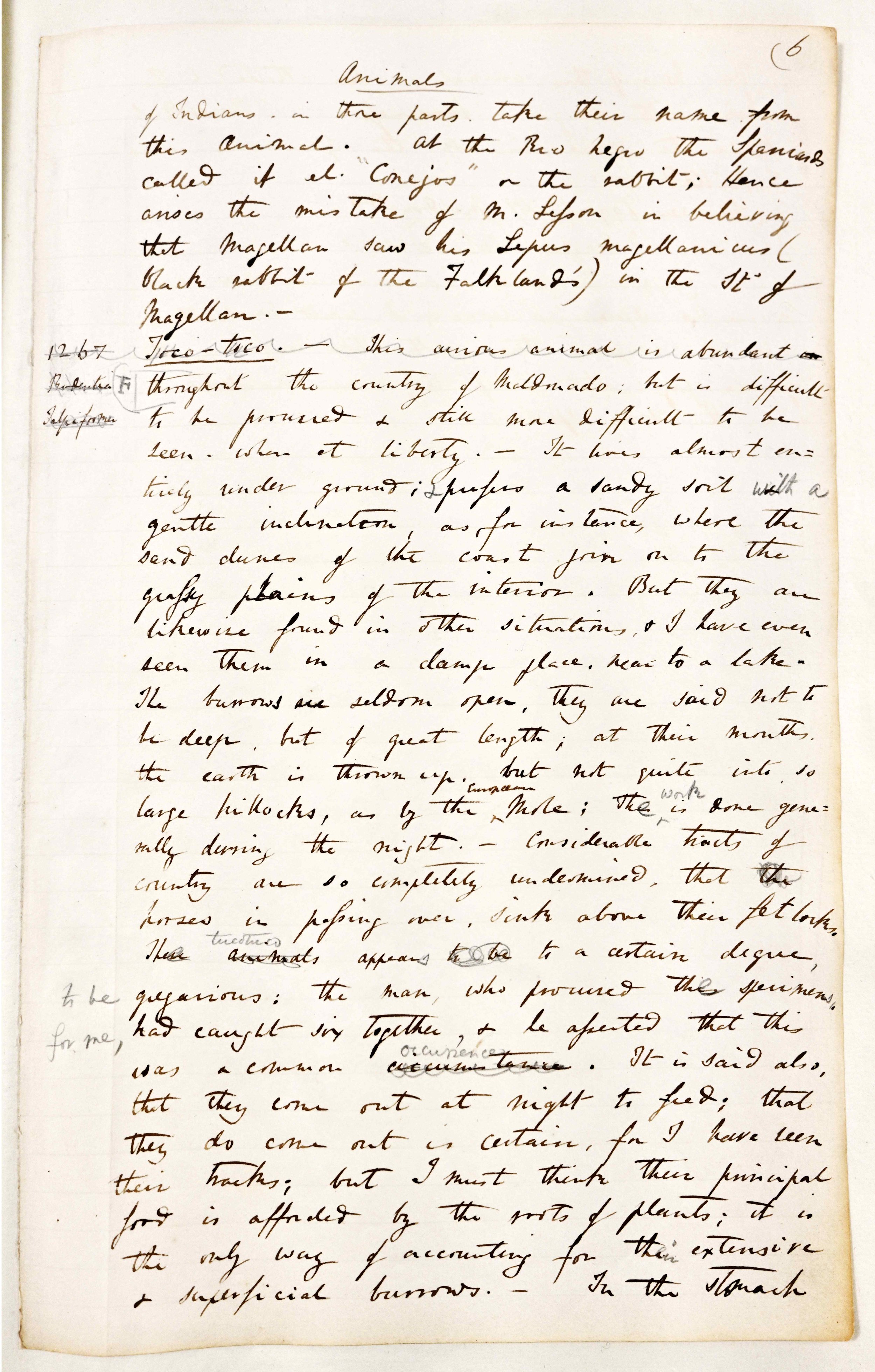
reverberates in the photograph of Charles Darwin’s handwritten diary, preserved in Cambridge,
which reflects on Indigenous peoples’ relationships with animals, linking colonial knowledge systems
to present-day urges to classify, dominate, and romanticize nature. This archival fragment is a
poignant reminder of how knowledge, colonialism, and taxonomy have long intertwined in defining
the "animal."
According to the UN Convention on Biological Diversity (UNCBD), we are facing a mass extinction
event where up to 150 species vanish each day. While science calculates this through mathematical
projections, my photographic work approaches it through a personal lens. Driven by a deep sense of
connection to non-human intelligence, these images form a visual record of shared yet contested
spaces—where animals exist by cleaving to hyper-constructed conditions of coexistence. Ultimately,
this project questions not just how we look at animals, but what these ways of seeing reveal about us.
In a time of ecological collapse, these images ask: what does it mean to coexist?
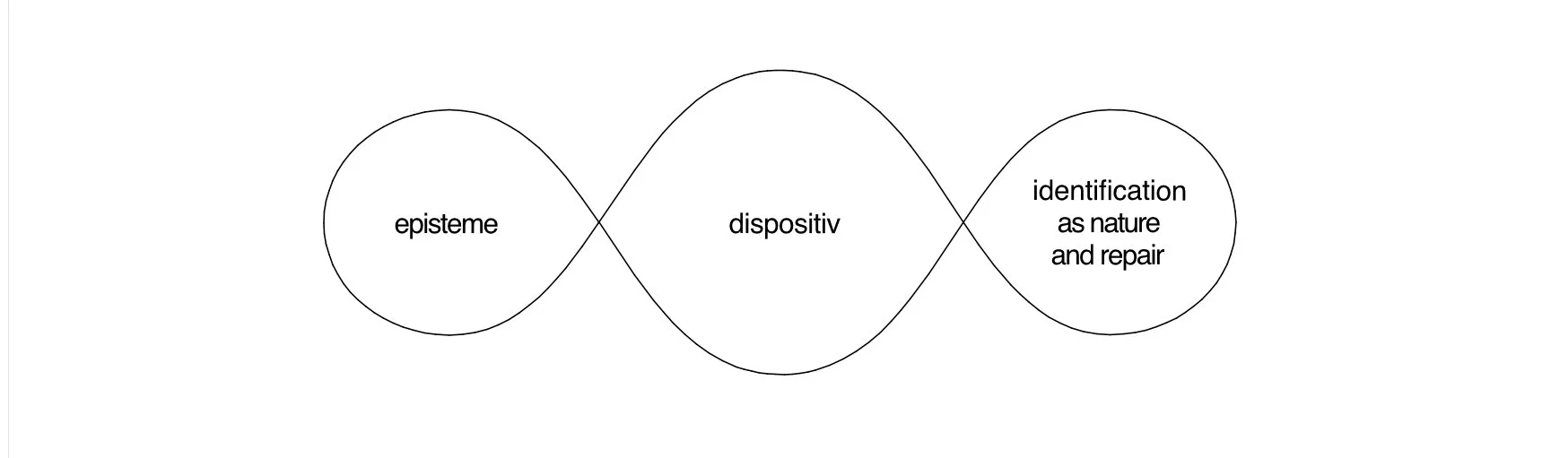
The project unfolds through three conceptual strands, Episteme, Dispositive, and Repair, structuring its
inquiry into human-animal relations, in a loose resonance with the “Third Paradise” and its triple-infinity
symbol.
Episteme
addresses the systems of knowledge through which animals are observed, classified, and understood,
from classical taxonomy to museum archives.
Dispositive
examines the architectures and mechanisms of control, zoos, laboratories, infrastructures, and
technologies, that shape and regulate animal life.
Repair turns to gestures of care, conservation, and coexistence, acknowledging both their necessity
and their entanglement within the very systems they seek to counter.
Together, these three dimensions form a fragmented yet interconnected framework through which
this selection of images from the series, can be read.